Why Cockroaches Invade North Carolina Homes During Colder Months
Many North Carolina homeowners notice the same pattern every year: summer ends, nights turn cool, and suddenly there's a cockroach in the bathroom or the garage. It can feel like they appeared out of nowhere. In most cases, they came from right outside, looking for the same thing you want when the weather turns: a warm, sheltered place with water nearby.
Here's why that happens, which roaches are most likely to move in, and what you can do before the cold sets in.
Cockroaches Depend on Their Surroundings for Warmth
Cockroaches are cold-blooded. Their activity, feeding, and growth all depend on the temperature around them, and most of the species found around homes prefer warm, humid conditions.
Southeastern North Carolina has long, humid summers and generally mild winters, so outdoor cockroaches can be active for much of the year. Cool fall nights and occasional winter cold snaps still push them toward shelter, and a house offers warm wall voids, crawlspaces, plumbing chases, and attics, plus steady moisture from pipes, drains, and appliances.
Which Cockroaches Come Inside, and Why
Not every cockroach you see in fall or winter is there for the same reason.
American and Smokybrown Cockroaches
These large roaches spend much of their lives outdoors or in sheltered, damp places: mulch beds, tree holes, gutters, woodpiles, sewers, and crawlspaces. When conditions outside become less comfortable, they move to places that stay warmer and damper, and homes are often the closest option. They usually enter through:
- Gaps under doors and around garage doors
- Openings where pipes, wires, and vents pass through walls
- Crawlspace vents and access doors
- Floor drains and plumbing connected to sewer lines
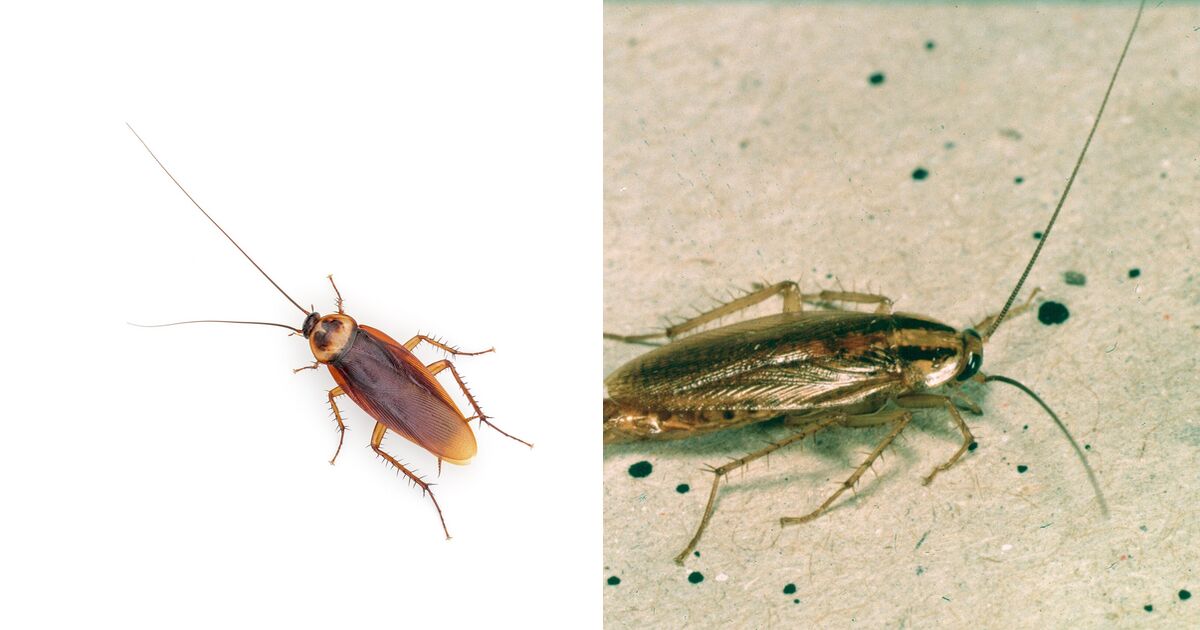
If you're not sure which roach you're seeing, our guide to American vs. German cockroaches explains how to tell them apart.
Woods Cockroaches and Firewood
Fall is fireplace season in places like Laurinburg, Aberdeen, and Fayetteville, and firewood is a common way for woods cockroaches to get inside. NC State University notes that woods cockroaches come in by hitching a ride on firewood, entering through soffit vents, or flying toward porch lights. They are accidental visitors and have not been known to reproduce indoors, but they are still unwelcome.
German Cockroaches: Already Inside
German cockroaches are different. They don't come in from the cold, because they live indoors all year. They get into homes by hitchhiking in grocery bags, cardboard boxes, used appliances, and secondhand furniture.
Fall and winter can bring more of those chances. Holiday decorations come out of storage, boxes get shipped and delivered, and families pick up secondhand furniture or appliances. Any of these can carry German cockroaches or their egg cases inside. If you're finding small, tan roaches in the kitchen or bathroom, they are probably already breeding there and won't go away when the weather warms up.
Signs Cockroaches Have Moved In
Cockroaches are mostly active at night, so you may find signs before you see roaches:
- Droppings: Pepper-like specks (German) or larger, cylindrical droppings (American) in cabinets, drawers, and corners
- Egg cases: Small brown capsules in hidden spots
- Shed skins: Left behind as young roaches grow
- Odor: A musty, oily smell with heavier activity
- Daytime sightings: Often a sign hiding spots are crowded
How to Keep Cockroaches Out This Fall and Winter
The best time to act is early fall, before cool weather sends pests looking for shelter.
Seal Up Entry Points
- Install or replace door sweeps on exterior doors, including the door from the garage.
- Caulk gaps around pipes, cables, and dryer vents where they pass through walls.
- Repair torn window and vent screens.
- Make sure crawlspace doors and vents close properly and are screened.
Reduce Moisture
Roaches that come inside need water to survive. Fix dripping faucets and leaking pipes, empty refrigerator drip pans, and keep an eye on crawlspace moisture. Our moisture control and crawlspace remediation services can help correct damp conditions under the home that attract cockroaches and other pests.
Clean Up Outside
- Store firewood off the ground and away from the house, and bring in only what you'll burn soon
- Keep mulch, leaves, and debris pulled back from the foundation
- Clean gutters so they don't stay wet and full of leaves
Check What You Bring Inside
Inspect holiday boxes, packages, grocery bags, and secondhand items before bringing them into the kitchen. Switching from cardboard storage boxes to sealed plastic bins removes a favorite hiding spot.
Keep Food and Trash Sealed
Store food, including pet food, in sealed containers, wipe up crumbs and spills, and take out the trash regularly. NC State also notes that bug bombs aren't particularly effective against cockroaches, so skip them.
When to Call a Professional
A single large roach after a cold night isn't always cause for alarm. Call for help if:
- You see cockroaches regularly, or during the day
- You find small, tan German cockroaches anywhere in the home
- Roaches keep returning after you've sealed and cleaned
- You see droppings or egg cases in more than one room
Heritage Pest & Services offers general pest control and German roach treatments for homes and businesses across Southeastern North Carolina, including Robeson, Scotland, Hoke, Cumberland, Moore, and the surrounding counties. Request a free estimate, or call or text (910) 852-1384, to get ahead of cockroaches before winter.
Sources
- NC State University: How Do I Get Rid of Cockroaches?
- NC State Extension: Biology and Behavior of the German Cockroach
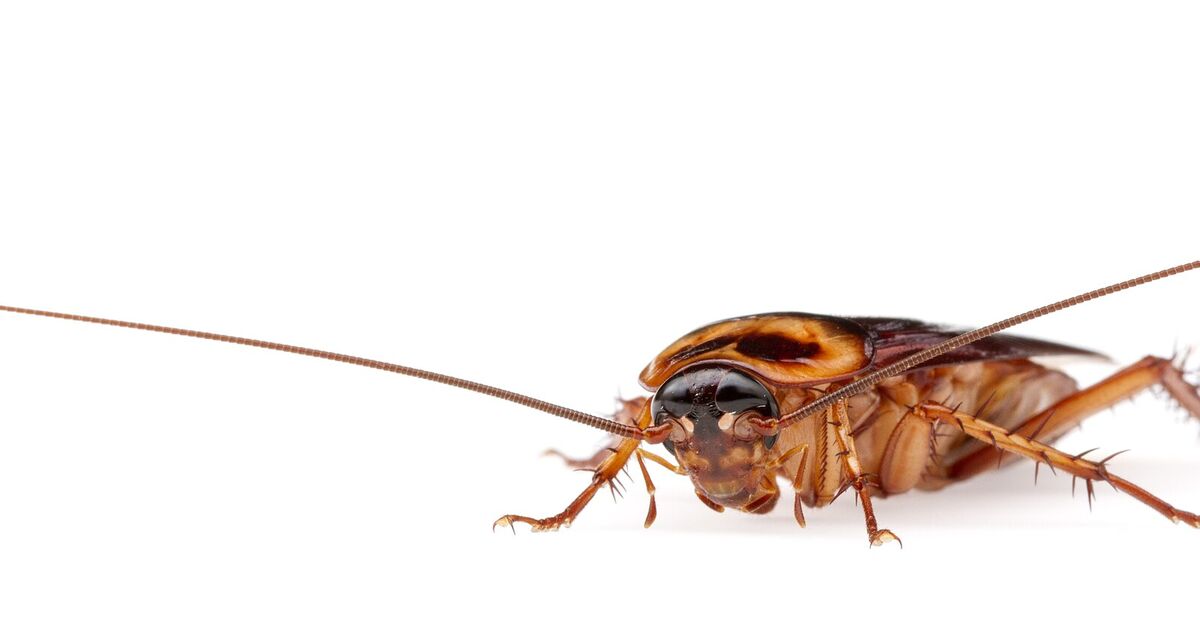
Featured image: American cockroach by Alex Wild, Insects Unlocked, University of Texas at Austin (public domain).